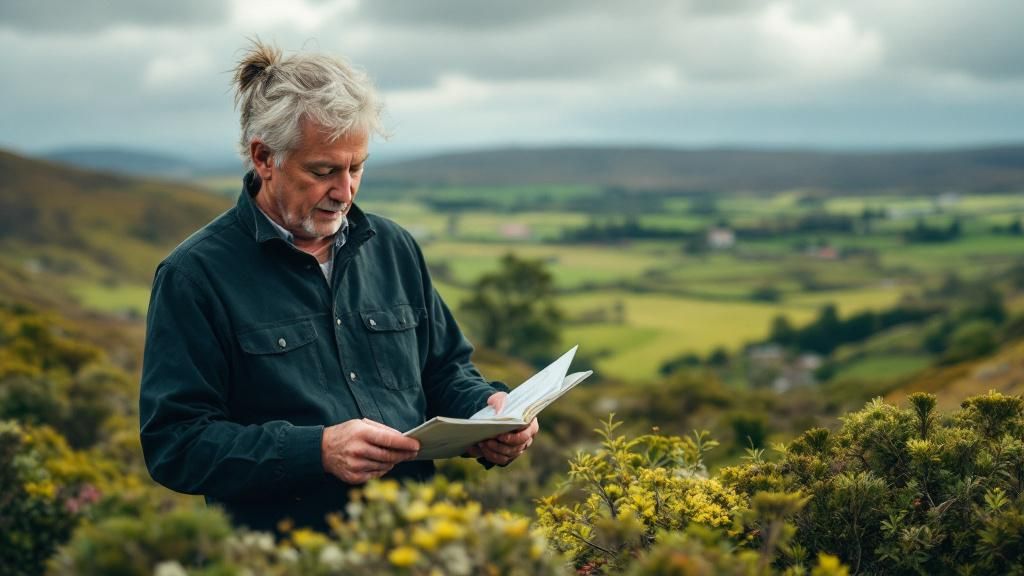
As worldwide integration threatens cultural linguistic range across the British Isles, heritage language programmes have emerged as critical preservation tools for Scots Gaelic language and Welsh language in Wales forms. These efforts, integrating structured teaching with community engagement, are turning back prolonged language loss and reviving sense of heritage amongst young people. This article examines how dedicated educators and engaged local groups are protecting these ancient Celtic tongues, assessing successful programme models, their measurable impact on speaker populations, and the broader implications for maintaining the nation’s language legacy.
The Significance of Gaelic and Welsh Preservation
The Celtic tongues of Scotland and Wales constitute invaluable storehouses of cultural identity, historical understanding, and linguistic variety. These historic languages carry within them generations of tradition, folklore, and distinctive worldviews that cannot be properly conveyed into English. Without concerted preservation efforts, the disappearance of Gaelic and Welsh would diminish not merely Scotland and Wales but also the broader cultural heritage of the British Isles. Heritage language programmes thus function as essential guardians of this invaluable linguistic legacy.
Beyond cultural significance, preserving Celtic dialects offers significant cognitive and social benefits to speakers and communities alike. Research shows that bilingualism enhances cognitive flexibility, problem-solving abilities, and academic performance amongst young learners. Furthermore, these languages reinforce community connections and foster feelings of connection amongst speakers. By supporting heritage language programmes, Scotland and Wales are not merely maintaining historical records; they are nurturing vibrant, living languages that enrich the lives of contemporary speakers and future generations.
Current Heritage Language Initiatives in Scotland
Scotland’s approach to Gaelic preservation has developed considerably over recent years, with many cultural language projects now running across the country. The Gaelic Medium Education (GME) initiative serves as a cornerstone of these efforts, offering immersive instruction through the use of Gaelic from primary through secondary education. Alongside classroom learning, grassroots organisations such as Sabhal Mòr Ostaig and local Gaelic societies deliver adult learning opportunities and community events that strengthen linguistic competence and promote intergenerational transmission of the language.
Beyond conventional educational settings, online channels and multimedia projects have transformed accessibility to Gaelic learning resources. BBC Alba, Scotland’s Gaelic-language television channel, broadcasts educational content combined with entertainment, whilst online courses and mobile applications enable learners to study at their own pace. These multifaceted programmes collectively demonstrate Scotland’s commitment to halting Gaelic’s long-term decline, creating pathways for speakers of all ages to connect with their heritage language and participate actively in Scotland’s vibrant Celtic linguistic community.
Welsh Language Revival Programmes
Wales has put in place comprehensive language revitalisation programmes that have substantially boosted Welsh speaker numbers throughout the last twenty years. The Welsh Government’s dedication to educational programmes, such as mandatory Welsh-medium schooling and bilingual curriculum development, has produced a generation of skilled language users. These programmes prioritise early-years language immersion, acknowledging that foundational linguistic development during crucial developmental periods yields the most lasting outcomes for ongoing speaker preservation and cultural sustainability.
Community-led initiatives work alongside conventional learning structures, encouraging authentic speaking patterns beyond classroom settings. Welsh language centres, cultural events, and online spaces provide accessible opportunities for speakers of all ages to practise and celebrate their cultural legacy. These grassroots efforts have developed thriving Welsh language groups, especially in cities where the language had experienced decline. The combination of official resources and public engagement shows how varied methods effectively reverse loss of linguistic vitality and improve language passing between generations of this ancient Celtic tongue.
Obstacles and Upcoming Opportunities
Despite considerable progress, heritage language programmes face substantial obstacles that undermine their sustained sustainability. Financial limitations remain a recurring challenge, with many initiatives contingent on public funding and voluntary funding that shift annually. Additionally, competition from dominant languages and digital content in English presents formidable barriers to engagement. Teachers specialising in Celtic languages remain in limited availability, and curriculum integration across traditional educational frameworks stays inconsistent. These systemic barriers require continuous political backing and substantial investment to resolve effectively.
Looking ahead, the future of Gaelic and Welsh safeguarding relies on innovative approaches and community-driven solutions. New digital tools, such as engaging virtual environments and digital interaction, offer promising opportunities to reach young people. Expansion of early-years provision and developing university Celtic studies offerings will cultivate a ongoing supply of fluent speakers and teachers. Ultimately, integrating these languages throughout local communities—through workplace initiatives, cultural activities, and family-focused education—is crucial for guaranteeing these precious linguistic treasures persist for generations to come.
